

Modern Walls: The Beginning
A large portion of a building’s performance is directly related to the walls. Our passion for high performance buildings and insight into wall failures creates a great place to begin a series of quick articles dedicated solely to walls. These articles are meant to provide insight into the systems we know and love and discuss their beautiful complexity.
Walls have certainly changed over the years. Built originally as a structural component to hold a roof above our heads, walls became a barrier separating us (and our stuff!) from outdoor climates. This separation from the elements, and the need for cheaper construction, creates complexity that we know today.
Early Wall Construction
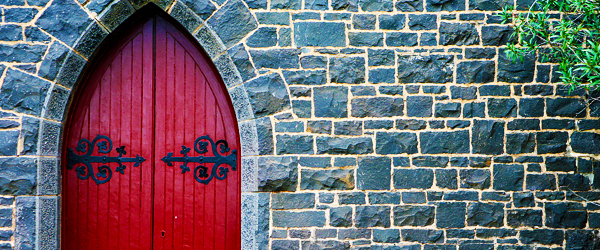
Mass walls came first and they worked! 100 years ago and before, walls were made of heavy materials such as stone, clay, and then brick. – let's leave residential and other temporary construction aside for the moment. These heavy materials create what we call a mass wall because of their substantial weight and thickness.These heavy materials also have the ability to gracefully accept failures. When rain seeped through, the heavy materials absorbed the water and allowed it to slowly evaporate away (to the dryer side of the wall) All in one heavy layer, these walls were also robust enough to support the structure and thick enough to resist temperature swings, making the interior more pleasant. Not bad!
Today, we build hollow, high performance walls of lightweight materials that are intolerant to moisture related failures. This is the reason it's so important to document the quality of construction – it has to be right! Our walls may be constructed faster, insulate better, cost less, and come in a wide variety of shapes, textures, and colors, but are they better?
Join us for our upcoming series of e-newsletters focused on walls. We'll explore concepts and interesting perspectives, as well as providing proactive actions you can take to ensure quality standards are being met throughout design and construction of your building.

